In many Irish households, the kettle is one of the most frequently used appliances in the kitchen. Whether it’s for tea, coffee or cooking, it’s often used several times a day. Over time, however, kettles can develop a common problem: limescale build-up.
What is limescale?
Limescale is a white, chalky residue caused by minerals in the water. While it’s harmless, it can affect the taste of drinks, reduce efficiency and make your kettle look less clean inside.
Fortunately, removing limescale from a kettle is quick and easy with a few simple steps.
What Causes Limescale?
Limescale forms when water containing minerals such as calcium and magnesium is heated. When the water boils, these minerals can settle inside the kettle and gradually build up over time.
This is more common in areas with harder water, but even in areas with softer water, kettles can still develop limescale after regular use.
Why It’s Important to Remove Limescale
Although limescale isn’t harmful, it can cause a few practical issues if it builds up too much.
First, it can affect the taste of hot drinks if small particles enter the water. Second, heavy limescale deposits can reduce the efficiency of the kettle because the heating element has to work harder.
Regular cleaning helps keep the kettle working efficiently and ensures your drinks taste as they should.
A Simple Way to Remove Limescale
One of the easiest ways to remove limescale from a kettle is by using a mixture of water and white vinegar.
Fill the kettle halfway with water and add a small amount of white vinegar. Bring the mixture to the boil, then leave it to sit for around 15 to 20 minutes. After that, empty the kettle and rinse it thoroughly with clean water.
Boiling fresh water once or twice afterwards helps remove any remaining taste.
Many people also use lemon juice or specialist kettle descaling products, which are designed to break down limescale quickly.
How Often Should You Descale a Kettle?
How often you need to descale a kettle depends on how frequently it is used and the type of water in your area.
For most households, descaling every one to two months is usually enough to keep the kettle clean and working efficiently.
If you notice white deposits forming inside the kettle, it’s a good sign that it’s time to clean it.
Choosing a Kettle with a Limescale Filter
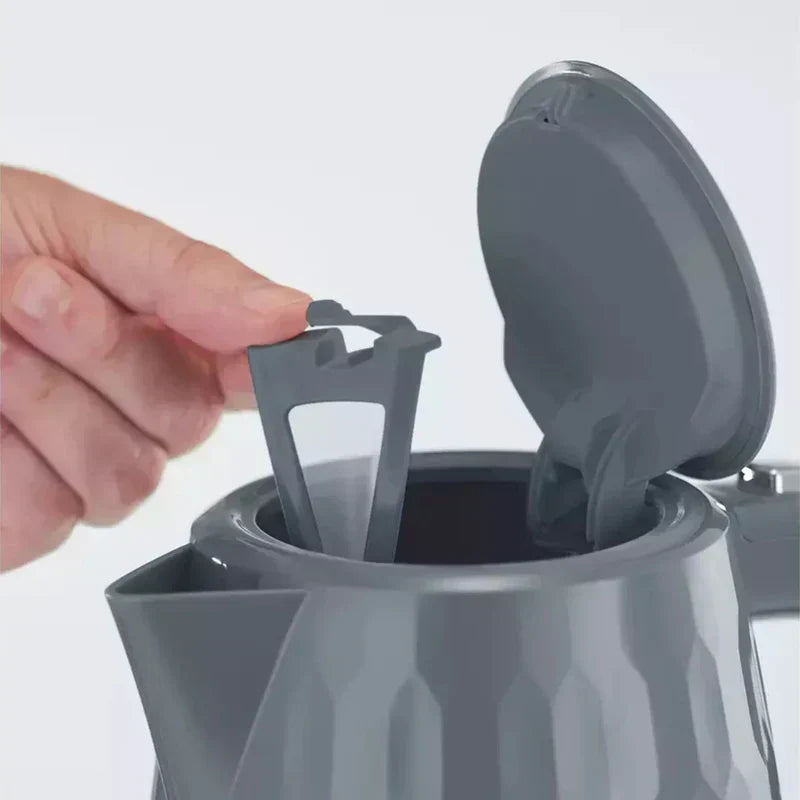
Many modern kettles now include removable limescale filters. These small filters sit inside the spout and help prevent limescale particles entering your drinks.
They are easy to remove, rinse and replace, making them a helpful feature for households in Ireland where kettles are used frequently.
Kettles Available at Foy’s Electrical
If you’re thinking of replacing your kettle, many modern models now include practical features such as removable limescale filters and efficient heating elements designed for everyday use.
You can explore the current range of kettles available at Foy’s Electrical to find a model that suits your kitchen and daily routine.
Final Thoughts
Limescale is a common issue for kettles, but it’s easy to manage with regular cleaning. Taking a few minutes every month or two to descale your kettle can help maintain its performance and keep your drinks tasting fresh.
A well-maintained kettle not only works more efficiently but also lasts longer, making it a small but worthwhile part of everyday kitchen care.